Path to Power
Path to Power is a political turn-based strategy game with visual novel elements. Choose your candidate, implement reforms, strike deals, manage resources, contain protests, and pave your way to the pinnacle of power in 1992 Kazakhstan.
1. In-Depth Political Strategy
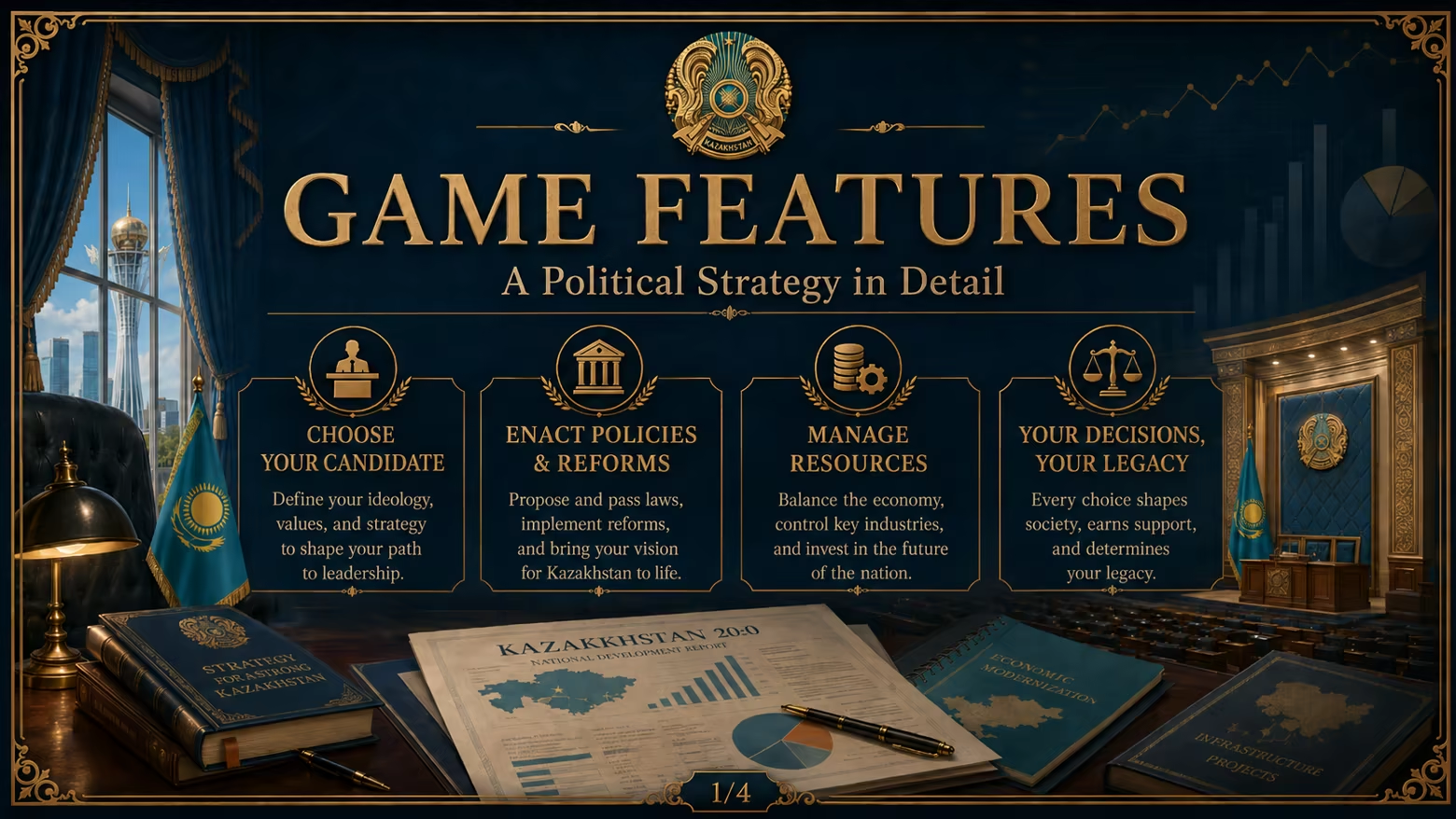
In Path to Power, you are tasked with managing not merely a character, but the entire political trajectory of a nation. Implement sweeping reforms, allocate scarce resources, navigate intricate relationships with the elites, respond to brewing crises, and consolidate your position step by step. Every single decision reverberates across the economy, public approval, systemic stability, and the internal balance of power.
 2. Kazakhstan: A Path of Reform and Development
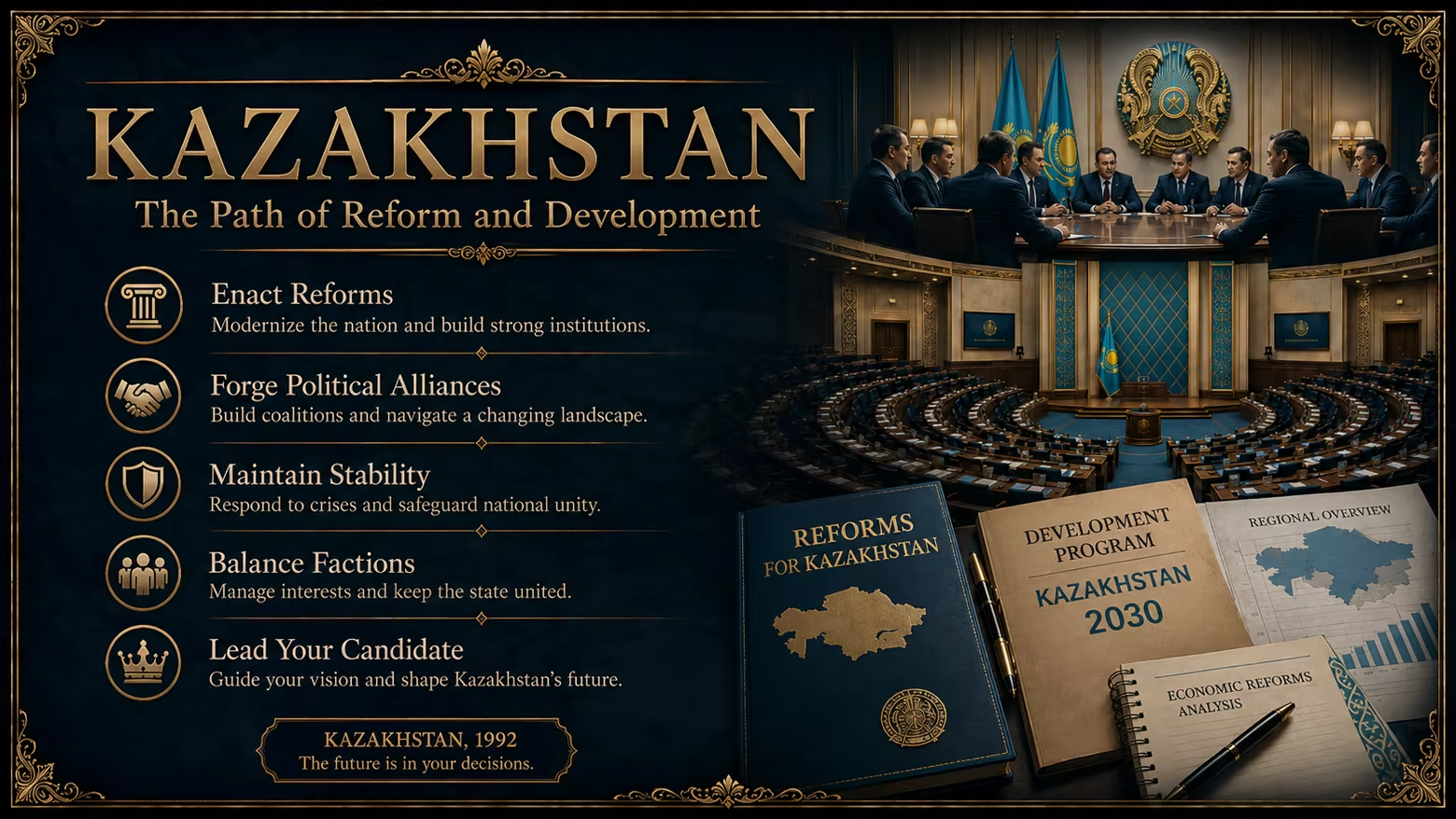
The game is set in 1992 Kazakhstan—a pivotal turning point when a nascent state is fiercely searching for its own identity and direction. It is up to you to determine its future: through cautious adjustments, rigid centralization, regional balancing acts, or radical transformations. Govern the nation amidst economic collapse, intense political strife, and a complex web of historical circumstances.
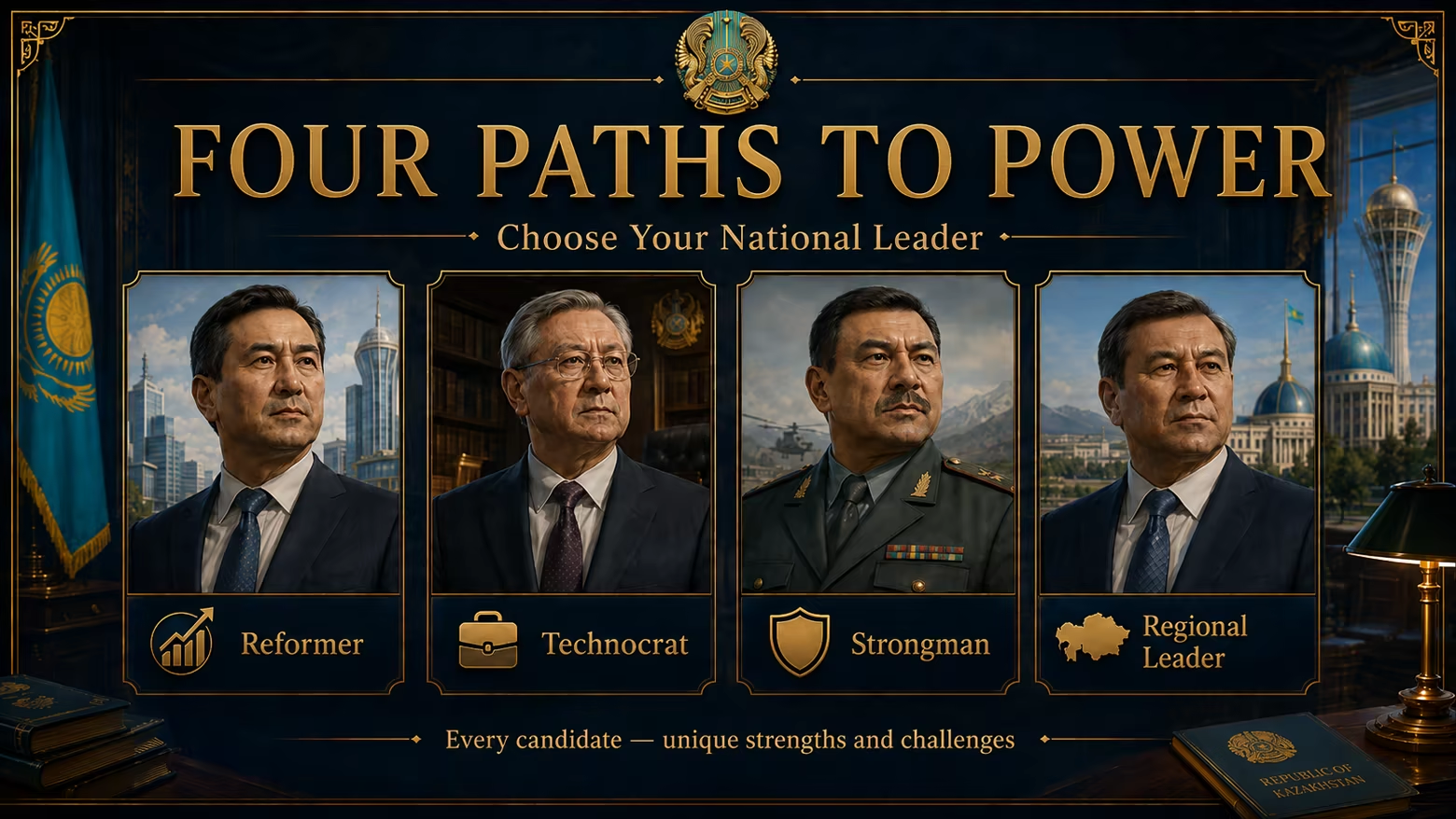 3. Four Paths to Power
Select one of four distinct leaders, each offering a fundamentally unique gameplay style. The Reformer prioritizes structural modernization and economic overhaul; the Apparatchik relies on bureaucratic systems and strict institutional control; the Silovik focuses on law, order, and iron-clad security; while the Regional Leader leverages local elites and a pragmatic, boots-on-the-ground approach. Every candidate possesses unique strengths, vulnerabilities, distinct starting conditions, and an individual trajectory to the pinnacle of authority.
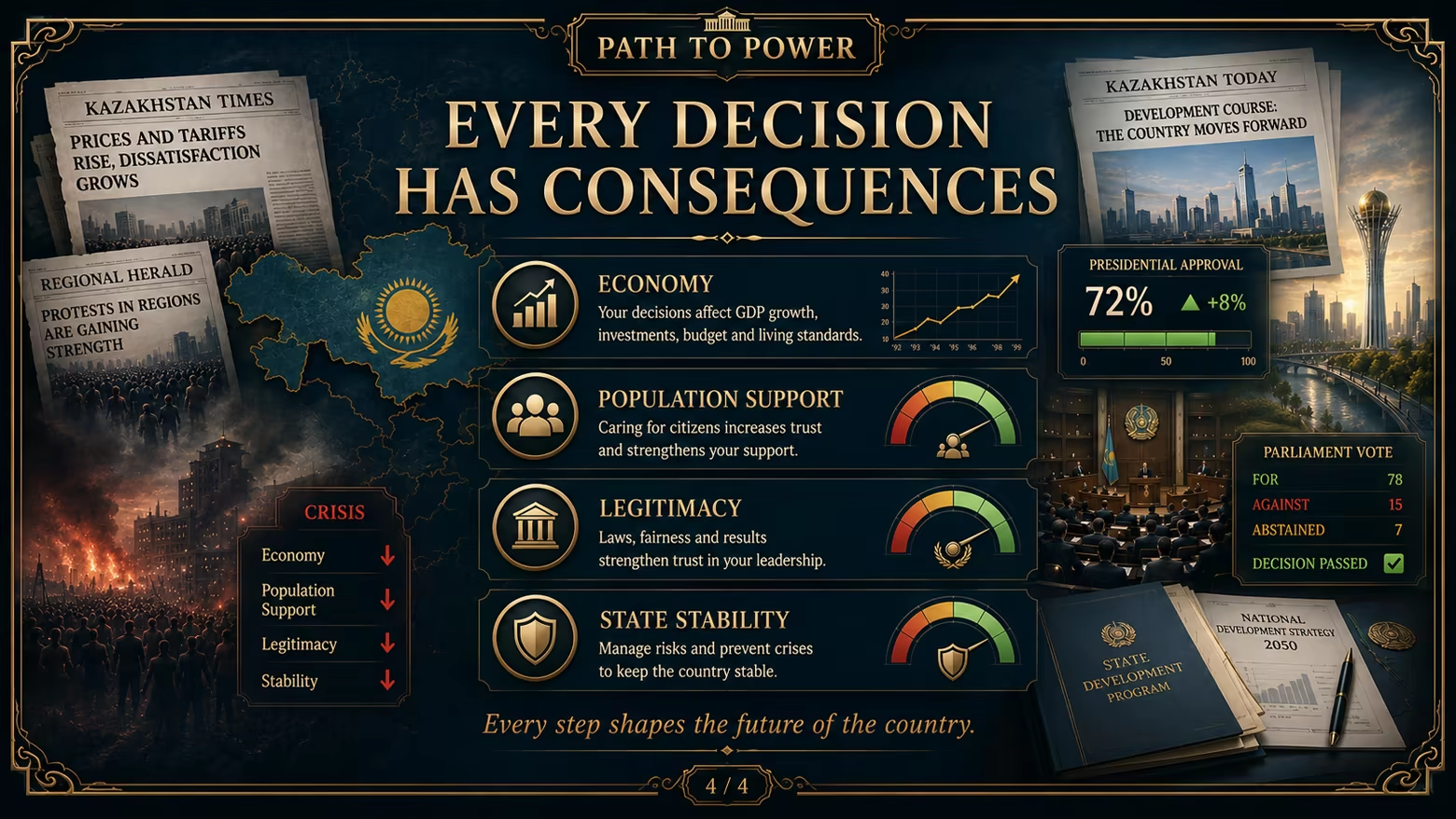 4. Every Choice Carries Consequences
There are no superficial choices in this game: every action leaves an indelible mark on the state and your own political fate. Legislation, reforms, compromises, pressure on the opposition, backroom pacts with factions, and your responses to civil unrest will carve out a completely unique campaign path. Whether you can maintain a fragile equilibrium between state power, civil society, and competing special interests rests entirely on your shoulders.