
Artificial Ambition
Grow your AI startup from a 2017 garage to an industry titan. Hire specialists, train models, and outsmart rivals. Build the future, but tread carefully—your relentless drive for progress might just open a Pandora's box of unintended power.
It is 2017. The boom hasn't happened yet. You have an empty floor, a little money, and an opinion about which way the field is about to break.
Artificial Ambition is a real-time management strategy game about building an AI company through a history-inspired technological race: hiring the people, acquiring the data, financing the compute, and finding the path from research that works to a business that lasts.
Every bottleneck you clear promotes the next one.
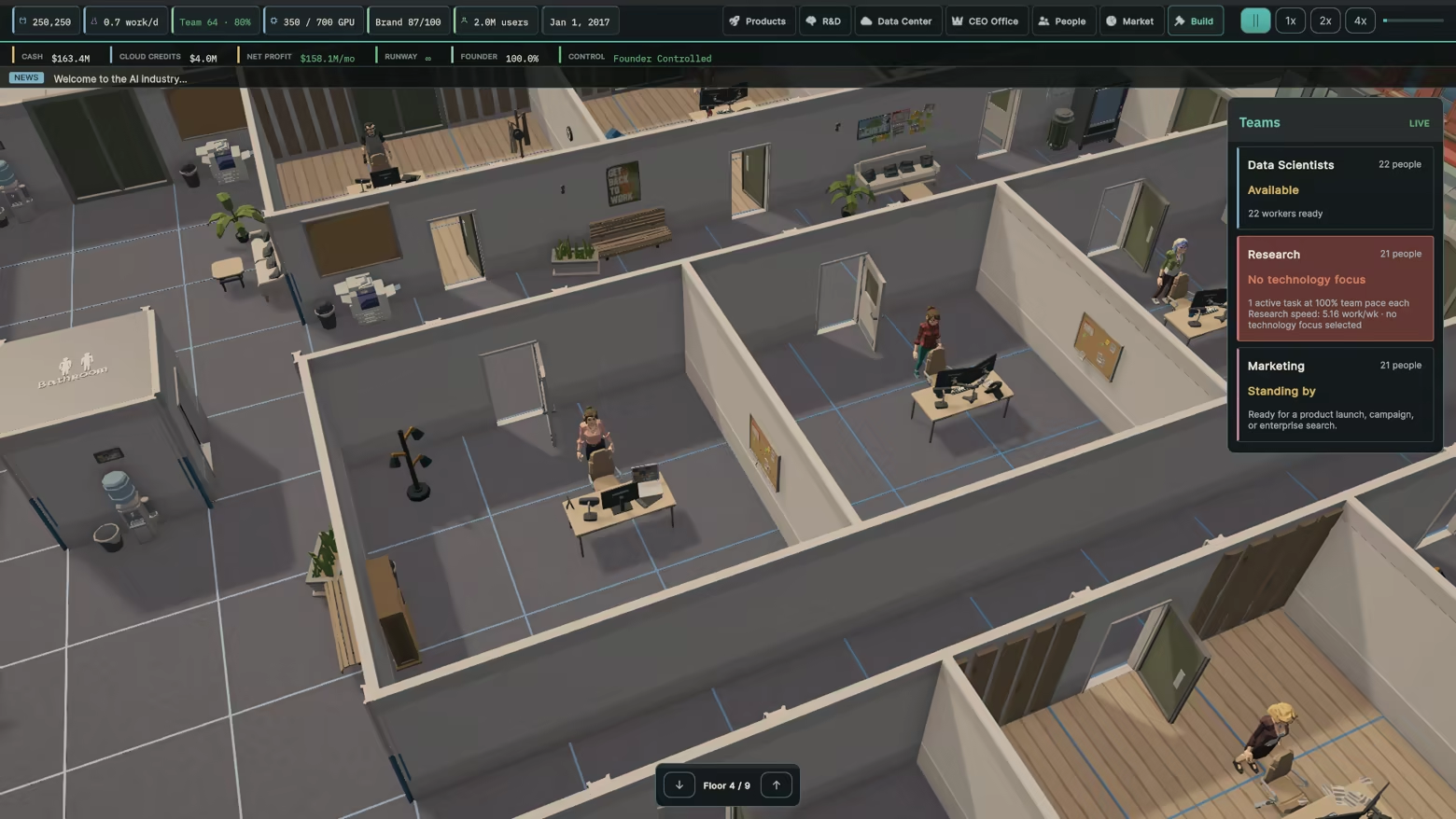
Start with one product
Found the company on a chatbot or on image recognition, and build everything around getting it out the door.
Shape your first model: what it reads, what it's rewarded for, and what you test it on. Then take the launch on stage in a live keynote, where the room reacts to every answer you give.
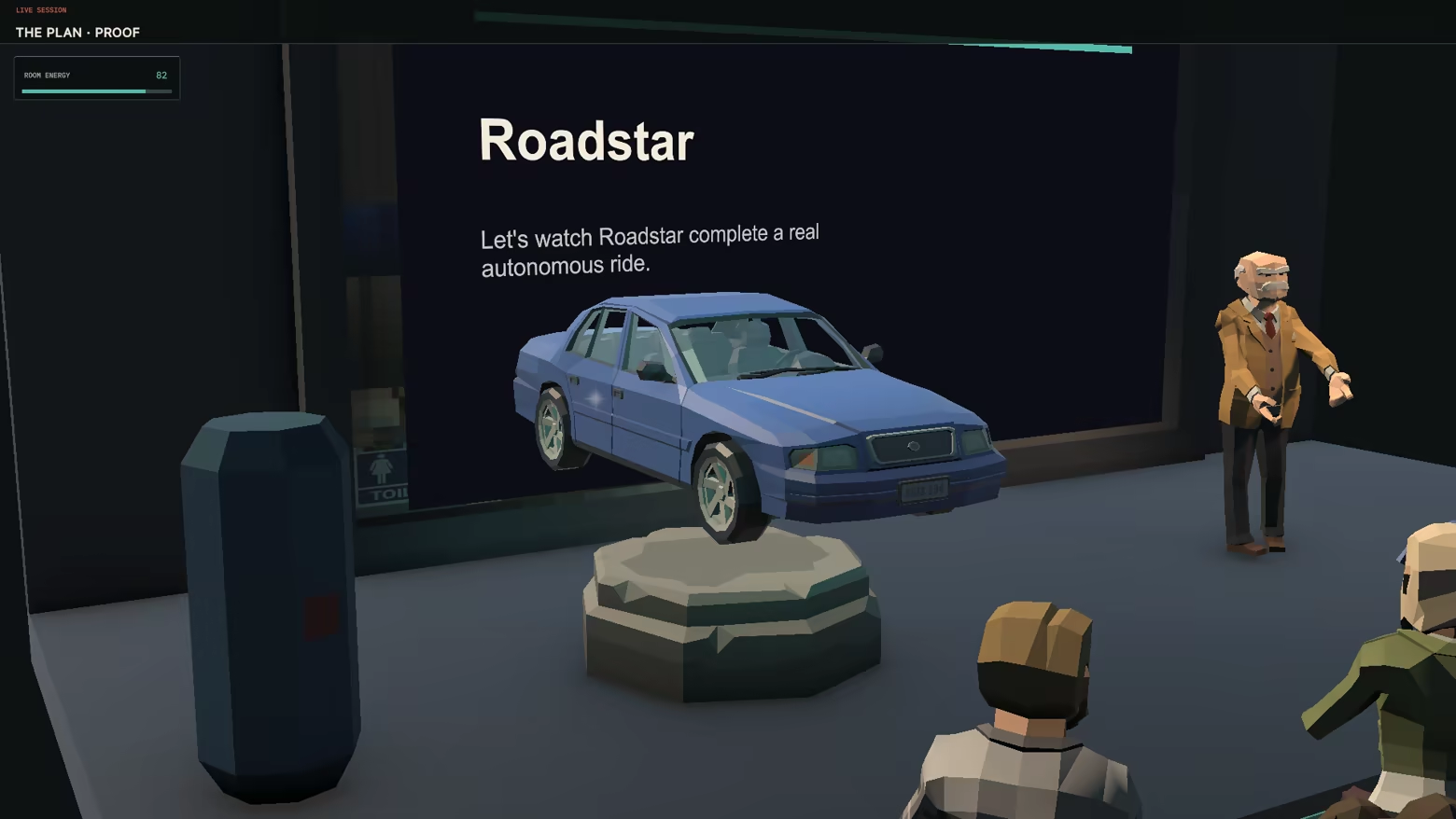
Then choose what comes next
Once your first product ships, every model family becomes a route: language, vision, reasoning, predictive and generative. Enterprise LLM APIs, translation, AI agents, robotaxis, autonomous freight, AI art generators, a code assistant.
Stay in the lane you founded, or branch out into markets where you start behind.
Assemble the company that can deliver
Hire data specialists, researchers, engineers, marketers and managers. Every hire joins a standing team, so hiring is how the company changes shape. Name a Project Lead for each product, and watch team chemistry build with tenure and crack when people leave.
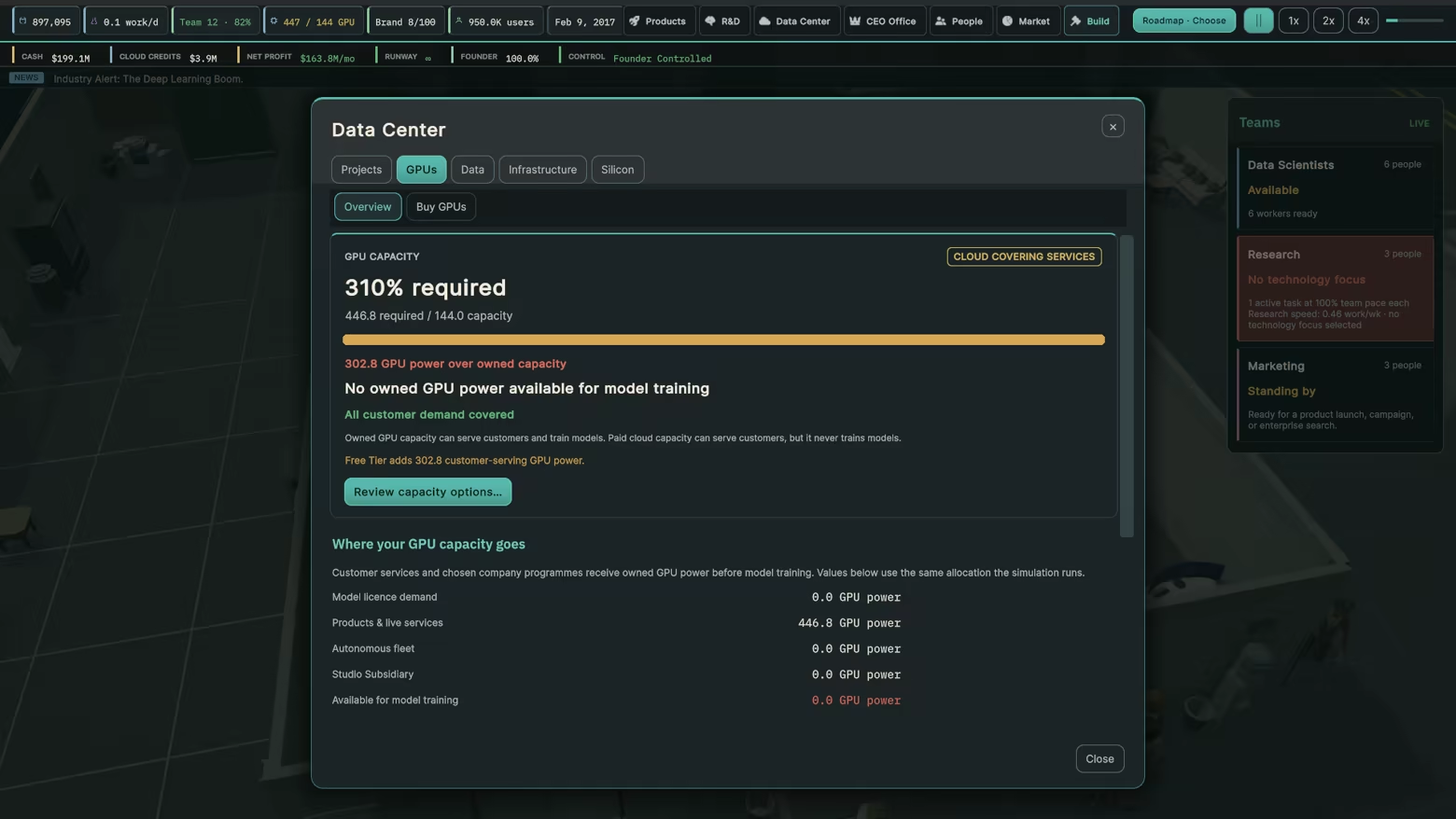
Acquire and curate data. Invest in successive GPU generations. Rent serving capacity while renting is cheaper, and build your own infrastructure when scale justifies the bill.
Ship it, then live with it
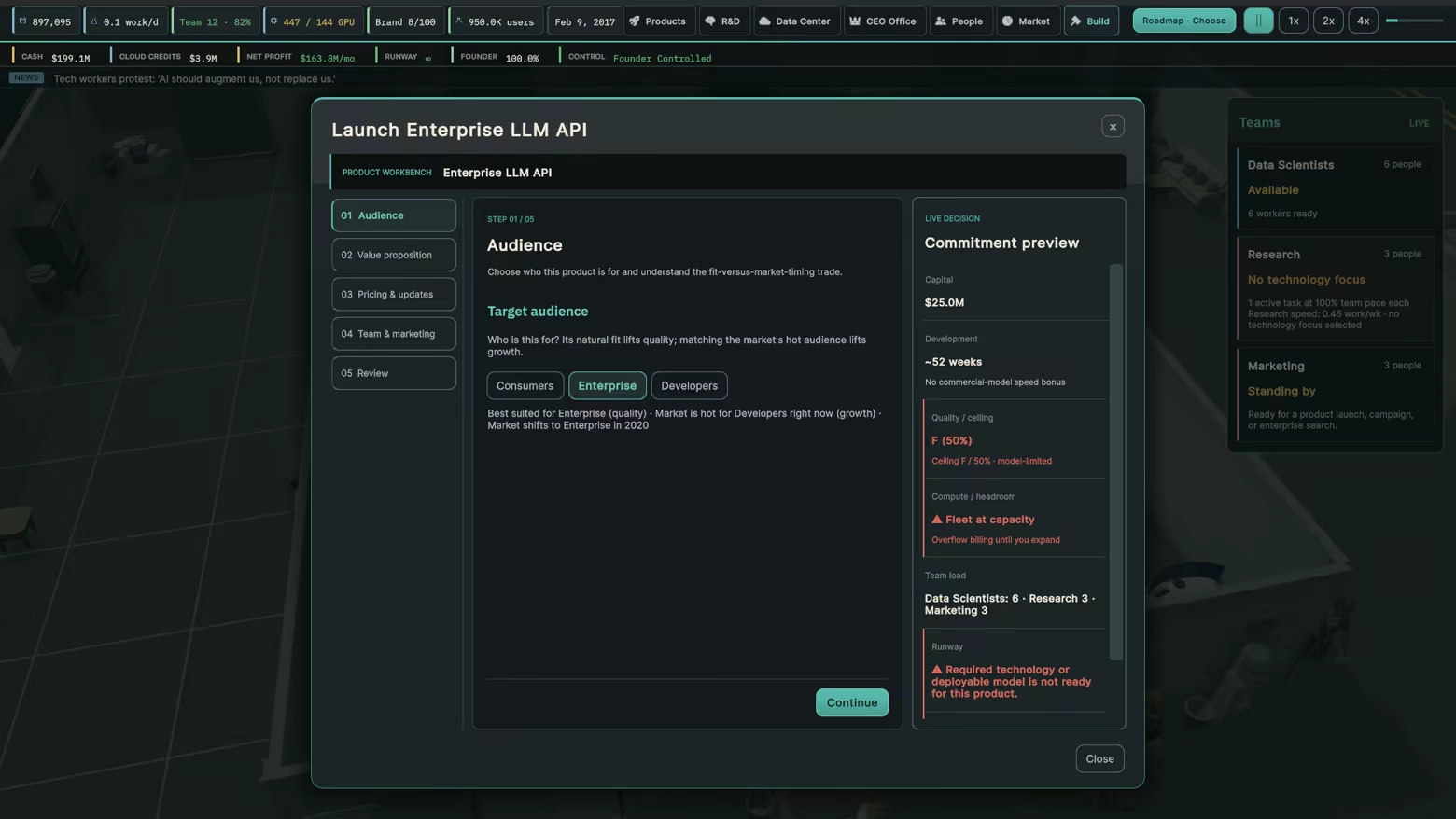
Before development starts you choose an audience, settle the design tradeoffs and commit to a marketing plan. After that, the War Room is where you watch it: expected quality, adoption, compute requirements, costs, revenue, and when it breaks even.
Then development hits a bad dataset, a server crash, a poached engineer, or two people who cannot work in the same room. Some calls you make blind, and only find out a week or two later how they turned out.
Release it hardened, or release it now and pay for every defect you didn't fix as a live incident.
Success is its own emergency
Set prices. Choose your serving quality. Install permanent capabilities and release major versions as a product matures.
A launch that goes well can still go badly. Demand overwhelms your infrastructure, margins collapse, and the users you just won leave because you can't add capacity fast enough. Rival labs take the share you weren't defending.
Dominate a market and regulators notice. Scrutiny builds every week you stay on top, and sustained dominance ends in an antitrust breakup that takes your biggest product away, unless you spend to lobby it down.
Raise money, lose room
Capital buys time, and nothing else about it is free. Take enough of it and control moves away from you: founder-controlled, then shared, then investor-controlled. Let the cash run low while a rival ten times your size is watching, and it can buy the company out from under you.
Build the place it happens
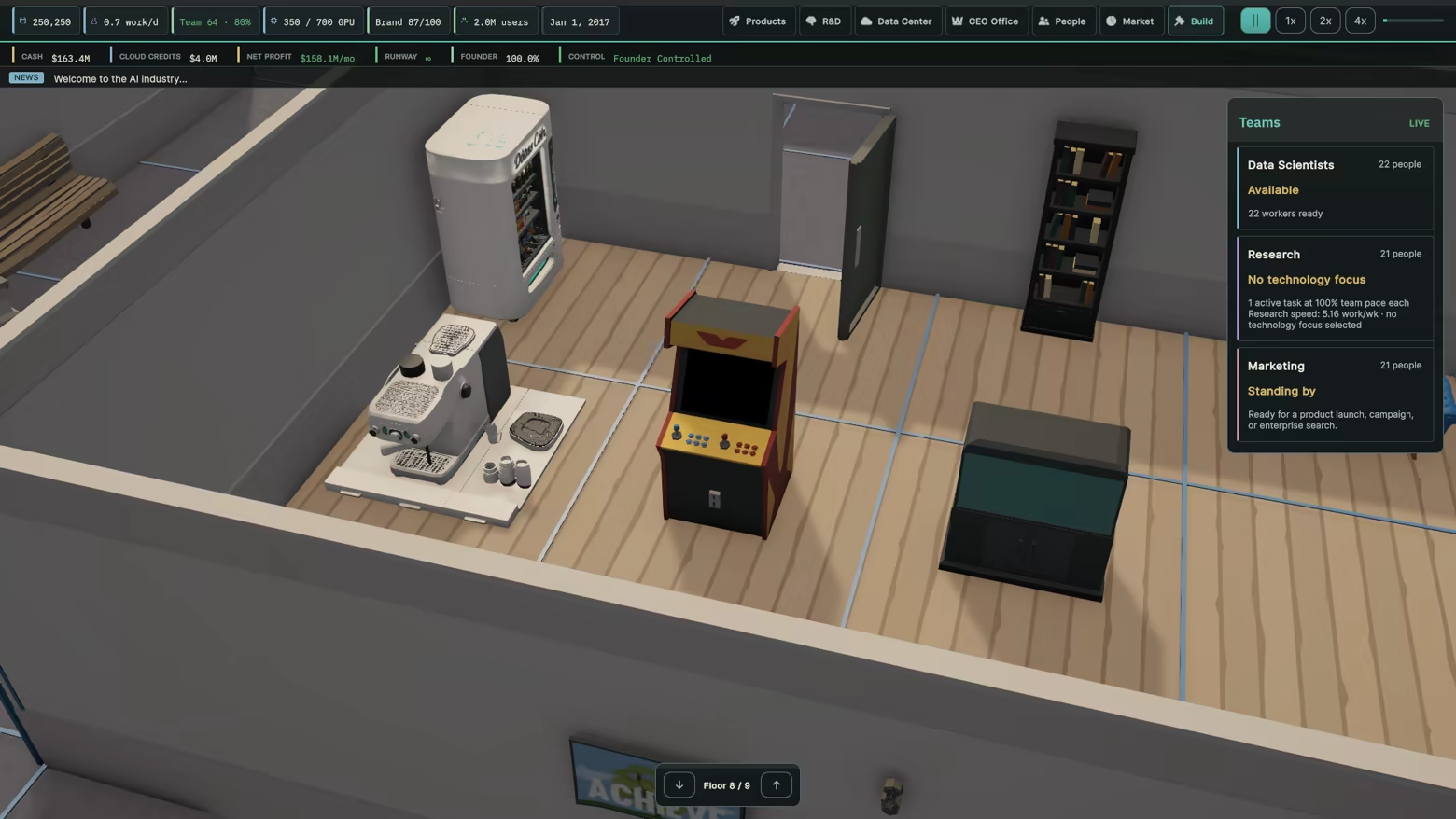
Lay out a headquarters floor by floor as the company grows: departments, private offices, data-centre space, a cafeteria, break rooms, a gym, a boardroom.
The ground keeps moving
Research paradigms shift from era to era, changing which technologies get ahead. GPU generations supersede each other. And as your models grow more capable, your own people start asking questions: about the data you trained on, what red-teaming found, and what exactly the company is building.
The strategy that wins one era is the one that leaves you exposed in the next.
Start with an empty floor. Find out what you build.