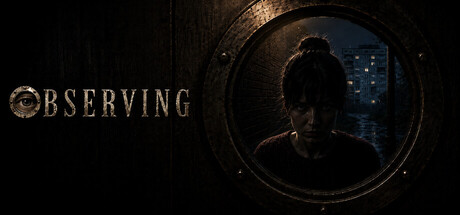
Observing
Survive night after night. During each eight-hour night, question strangers, identify parasite hosts through spore-filled photographs, support expeditions by radio, and convince the group. Manage scarce resources and the protagonist’s mental state before sunrise.
LET THEM IN. THEN DECIDE WHO DESERVES TO STAY.
Observing is a social survival game with psychological horror elements, set in a post-apocalyptic world.
After meteorites struck Earth, unknown spores spread across the entire planet. They are now everywhere: in the air, inside buildings, and even within shelters.
When sunlight returns, the spores become active. Indoors and in the shade, they do not kill people, but force them into an inescapable sleep. Under direct sunlight, the spores become lethal.
Each night gives humanity eight hours to act. During that time, survivors must search for supplies, keep the shelter running, support expeditions, resolve internal conflicts, and decide who can be trusted.
The story continues night after night. New people arrive at the door, resources gradually run out, relationships within the group change, and the consequences of previous decisions carry over into the nights ahead.
But the spores are not the only threat.
Parasites enter human bodies and gradually take control of their hosts’ minds and behavior. During the early stages, a host may look, speak, and behave like a completely ordinary person.
Every night, strangers arrive at your shelter looking for safety. Some may become valuable members of the group. Inside others, a parasite may already be hiding.
You must decide who enters, observe those already inside, search for signs of the parasite, gather evidence, convince the other residents, and keep the shelter alive until sunrise.
QUESTION THE PEOPLE AT YOUR DOOR
Listen to every stranger’s story before allowing them inside.
Ask where they came from, why they followed the light, and what happened to the people travelling with them. Remember their answers, compare the details, and search for contradictions.
Some may lie out of fear. Others may be trying to hide their past. And some may already be losing control of their own bodies.
A convincing story does not prove that the person standing before you is still human.
USE THE CAMERA TO SEARCH FOR THE PARASITE
The camera is one of the main tools in your investigation.
Photographs can reveal spores that are difficult to notice with the naked eye. An unusual concentration of spores around a person, object, or location often indicates the presence of a parasite.
Photograph suspicious residents and events, examine the resulting images, and compare them with people’s behavior and the information you have already collected.
A cluster of spores is a serious reason for suspicion, but it is not always definitive proof. A single photograph may help expose a parasite host—or lead you to accuse an innocent person.
OBSERVE THOSE YOU LET INSIDE
Opening the door is only the beginning.
Watch the behavior of every shelter resident. Compare their actions with what they told you at the entrance, pay attention to changes in their behavior, and search for new signs of the parasite’s influence.
Someone you trusted during a previous night may begin behaving differently later. The parasite gradually strengthens its control, so the truth may emerge only after the host is already living among you.
CONVINCE THE GROUP
You do not control the shelter alone.
During group meetings, survivors make proposals, discuss their suspicions, and vote on what should happen next.
You will need to explain your conclusions, present the evidence you have collected, and convince the others who can be trusted, who must be exiled, who should be forbidden from returning, and who has become too dangerous to keep alive.
Other residents may disagree with you. They form their own opinions, protect the people close to them, remember your decisions, and support the proposals they believe are right.
Even when you know the truth, that is not enough. You must make the others believe you.
SURVIVE TOGETHER
Every new arrival is not only a possible threat, but also a new participant in the life of the shelter.
Residents communicate, argue, form relationships, help one another, and react to your accusations. A decision against one person may change the attitude of the entire group.
Trust becomes as important a resource as food, fuel, or available space.
A correct accusation may be rejected if the group no longer trusts you. A mistaken decision may turn former supporters against you.
STAY IN CONTACT WITH EXPEDITIONS
Not every survivor remains inside the shelter.
Some groups leave on expeditions to search for supplies and other essential resources. The radio allows you to stay in contact with them and receive information about what is happening beyond the shelter.
During an expedition, survivors may encounter danger and ask for your help. Your response and the decisions you make can alter the course of the expedition, affecting whether the group completes its objective and returns alive.
While you deal with problems inside the shelter, the struggle for survival continues outside.
KEEP THE SHELTER RUNNING
Finding the parasite host is only one part of survival.
Search for supplies, distribute limited food, refuel the generator, and manage inventory space.
Decide how many resources the group can spend on each new arrival and what can be sacrificed to support an expedition. The more people you accept, the faster supplies disappear. But refusing help may cost the shelter a valuable ally.
The generator must keep running. People need food. Expeditions need support. Supplies must be replenished before sunrise.
Every resident may help the shelter survive—or become the reason it falls.
PRESERVE YOUR SANITY
The constant pressure affects not only the shelter’s residents, but also the protagonist.
The fear of overlooking a parasite host, responsibility for the people you accept, shortages of essential resources, distress calls over the radio, conflicts within the group, and the consequences of mistaken decisions gradually damage the protagonist’s mental state.
You must monitor not only the people around you, but also your own character.
As the pressure increases, it becomes harder to remain calm, trust your own observations, and make decisions that determine whether people live or die.
BEAT THE SUNRISE
Each night lasts eight hours.
During that time, you must question strangers, observe residents, take photographs, examine spore clusters, participate in meetings, maintain contact with expeditions, search for supplies, and keep the shelter running.
When the sun rises, the spores become active. People indoors or in the shade are forced into sleep. Anyone left under direct sunlight faces mortal danger.
When the next night begins, life in the shelter continues. New strangers arrive, expeditions call in again, resources grow scarcer, suspicions intensify, and the consequences of earlier decisions reshape relationships within the group.
The night is your only opportunity to investigate, prepare, and survive.
LIVE WITH THE CONSEQUENCES
An innocent person may be condemned because of your suspicions.
A parasite host may remain inside because you failed to gather enough evidence or convince the group.
Someone you exiled might have become a valuable ally. A stranger you trusted may destroy the shelter from within. A poor decision during a radio conversation may change the outcome of an expedition.
The people you save, accuse, exile, or kill will determine the future of the group.
Every decision affects the shelter’s resources, relationships between survivors, the course of expeditions, and the protagonist’s mental state.
One mistake may be enough to doom everyone.
FEATURES
• Social survival gameplay built around trust, suspicion, and collective decisions
• A story that continues across multiple nights
• Eight hours during each night to investigate, prepare, and survive
• Parasites that gradually take control of their human hosts
• Question strangers before deciding whether to let them into the shelter
• Use a camera to reveal concentrations of spores in photographs
• Search for traces that may indicate the presence of a parasite
• Observe residents and changes in their behavior
• Discuss proposals and vote with the other survivors
• Use the radio to stay in contact with expeditions outside the shelter
• Respond to calls for help that can change the course and outcome of an expedition
• Make decisions involving exile, entry bans, and execution
• Manage food, supplies, fuel, inventory space, and generator power
• Navigate relationships and conflicts between shelter residents
• Manage the protagonist’s mental state under fear, pressure, and responsibility
• Face the consequences of every person you trust or condemn